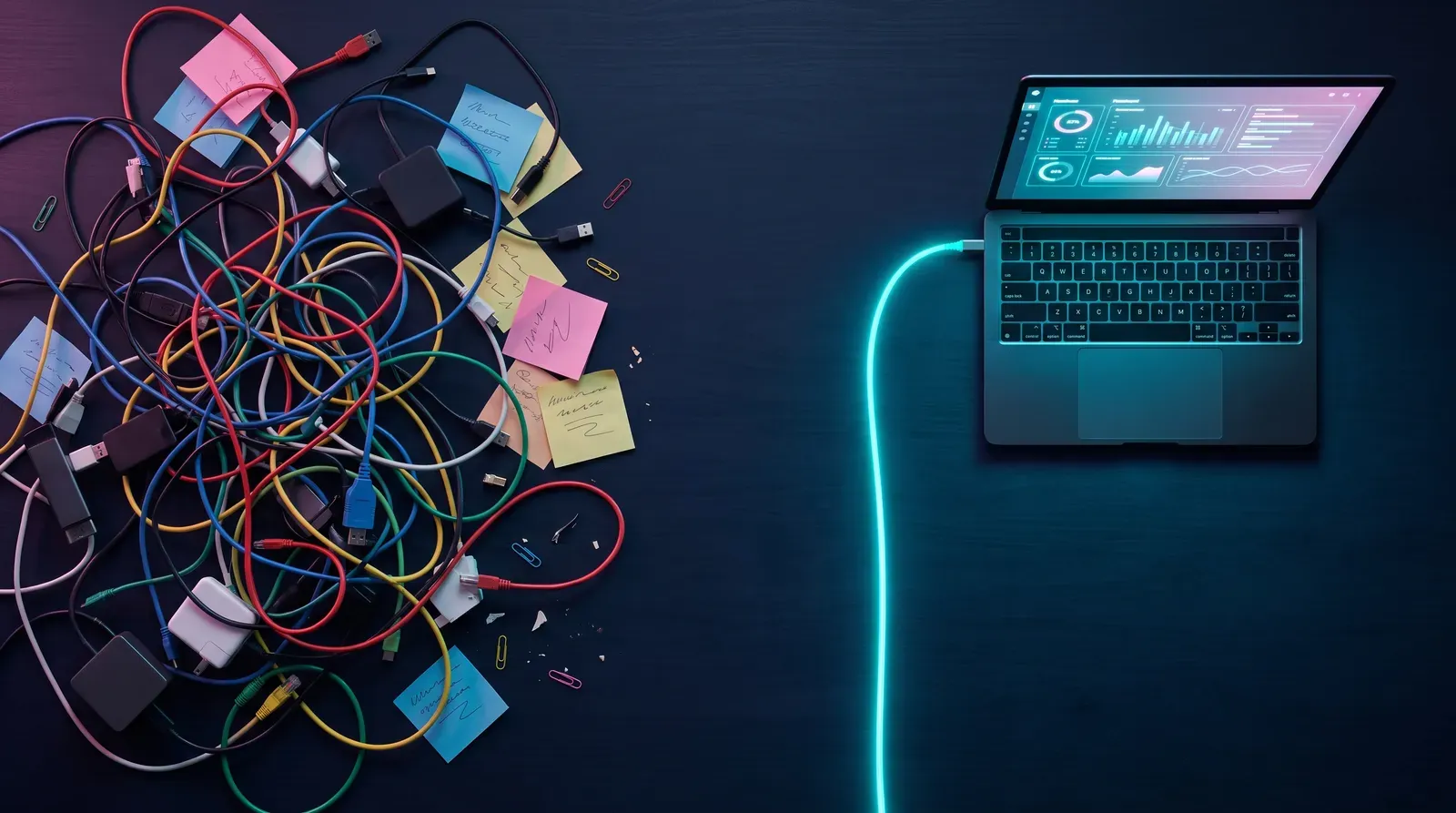
For years, WordPress was our go-to. It runs a huge share of the web, clients had heard of it, and with the right theme and a handful of plugins you could get a good-looking site up quickly. We built a lot of them, and our own website ran on WordPress until recently.
But a website that looks great on launch day still has to keep working for years. And the way most WordPress sites are put together comes with problems that tend to show up later.
The problems that show up after launch
- Updates that break things. Themes, page builders and plugins all update on their own schedules. One update can clash with another and break a menu, a form or a whole page.
- Security holes. Out-of-date plugins and themes are one of the most common ways websites get hacked. Every add-on is one more door someone can try.
- Slow pages on phones. Each plugin and builder adds its own code, and the page has to load all of it, whether a visitor needs it or not.
- Fragile layouts. In many page builders, changing one photo or a line of text can shift the whole design, so owners stop making updates at all.
- Ongoing upkeep. Someone has to check and run updates, renew premium plugins and fix what breaks. If nobody does, the site slowly falls behind.
None of that is the owner’s fault, and honestly it isn’t really WordPress’s fault either. It’s what happens when a website is assembled from a theme, a page builder and a long list of plugins, each made by a different company. Every update is a small chance something breaks, and every plugin is something else to maintain.
What we build instead
Today every Launch Site website is custom-built in code, designed around the business, and comes with a private admin portal where your team edits what actually changes: your menu, your listings, your events, your team, your services, and every lead that comes in through your forms.
Here’s what that changes in practice.
It’s fast, especially on phones
A custom site only loads what it needs. There’s no page builder, no stack of plugins and no theme carrying features you never use. When we moved our own site off WordPress, its phone speed score in Google’s Lighthouse test went from 37 to 70, and the desktop score from 59 to 83. Many of our clients are even seeing scores in the 90s!
There’s nothing to patch
No plugins means no plugin updates, no plugin conflicts and far fewer ways in for hackers. Hosting, security certificates and updates are handled by us as part of your plan, so “keeping the website updated” stops being your job.
The admin is built for your business
WordPress gives everyone the same dashboard, full of settings most owners never touch. Your admin shows only what your business uses. A restaurant sees its menu and specials. A property manager sees units, availability and inquiries. A contractor sees projects and quote requests. If your staff can fill out a form, they can update the website.
You can try it yourself in our live admin demo, with no sign-up.
Your Google rankings come with you
The biggest worry we hear about leaving WordPress is losing what’s been built up on Google. When we rebuild a site, we carry every old page address over, either to its new page or with a permanent redirect. On our own move, all 175 old addresses still lead to a working page.
Is WordPress ever the right choice?
Sometimes, yes. If you have an in-house developer who maintains it, or you want a big plugin ecosystem and are happy to manage the updates, WordPress can serve you well. We still look after existing WordPress sites for clients while we plan their move.
But for most small and mid-sized businesses, the goal isn’t to run a content management system. It’s to have a website that’s fast, looks right, brings in leads and can be updated in minutes. That’s what we build now.
Thinking about moving off WordPress?
We’ll look at your current site, tell you honestly whether a rebuild makes sense, and show you what your admin would look like. See how our websites work, or get a price in about a minute.